
How to Actually Enjoy Retirement: Purpose, Health & Beating Isolation
How to Actually Enjoy Retirement: Purpose, Health & Beating Isolation
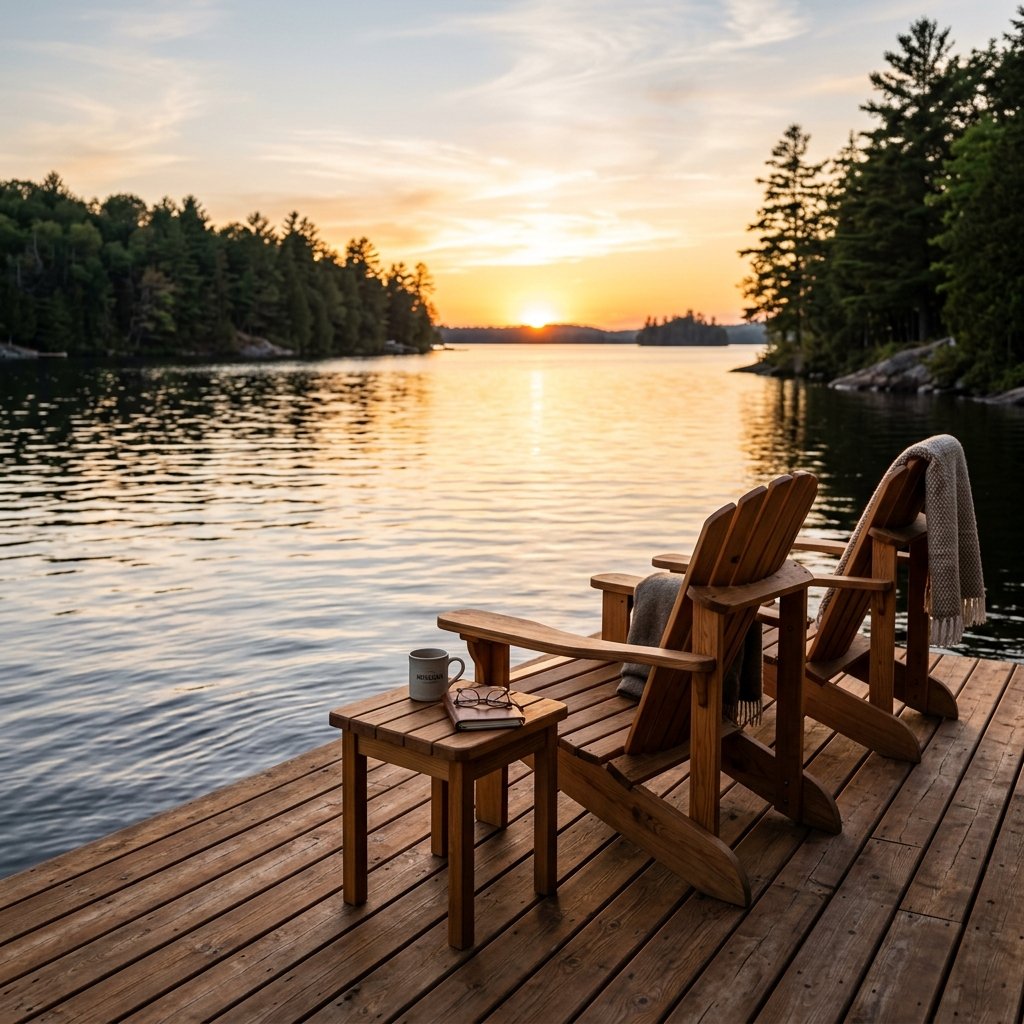
Let's talk about the psychological transition, the factors that predict a happy retirement, and the concrete steps to build a life you actually enjoy.
The Retirement Cliff: What Happens When Work Disappears
Work provides more than a paycheck. It provides identity, daily structure, social connection, purpose, intellectual stimulation, and status. When you retire, all four vanish on the same day.
Your brain doesn't know how to handle this. Studies show retirees experience a measurable decline in cognitive function, physical activity, and social engagement in the first 6-12 months post-retirement. Depression rates spike. Some people thrive immediately (natural explorers with strong social networks); most struggle for 12-18 months before finding their footing.
The Psychological Factors That Predict a Happy Retirement
Research in retirement psychology (gerontology) consistently identifies these factors as predictive of life satisfaction and mental health in retirement:
- Strong social network: Regular contact with friends and family, involvement in community groups, sense of belonging. This is the strongest predictor of life satisfaction and mental health — stronger than wealth.
- Purpose-driven activities: Work that matters (volunteering, mentoring, creative projects). Not paid work, necessarily — activities that make you feel like you're contributing and growing.
- Physical health and activity: Regular exercise, good nutrition, sleep, preventive healthcare. Physical activity is as powerful an antidepressant as medication for many people.
- Financial security: Not wealth, but security — knowing you can cover your expenses without stress or rationing. This eliminates a major source of anxiety.
- Cognitive engagement: Learning, problem-solving, creative pursuits. Retirees who keep their minds active have better memory and lower dementia risk.
- Autonomy and control: Ability to make your own schedule, choose your activities, live on your terms. Autonomy matters more than activity level.
- Sense of humor and flexibility: Ability to laugh at yourself, adapt to change, find silver linings. Psychological resilience is learned and can be developed.
- Supportive relationships: A spouse, close friend, or family member you can confide in and who checks on you. Not a huge social circle — one or two people matter.
Notice what's not on the list: travel, hobbies, money, or living on a golf course. A retiree with $5M but no social network and no purpose is at high risk of depression. A retiree with $60K but a strong friend group, volunteer work, and activities is likely satisfied.
Staying Physically Active: Non-Negotiable for Long-Term Health
Physical activity is one of the few things proven to slow aging. Exercise improves heart health, cognitive function, mood, bone density, balance, and longevity. Yet retirees often become more sedentary, not less. Work forced you to move; retirement removes that forcing function.
The Minimum Effective Dose
Health Canada and international guidelines recommend:
- 150 minutes of moderate-intensity aerobic activity per week (brisk walking, cycling, swimming, dancing — you should be breathing hard but able to talk)
- Muscle-strengthening activities 2+ times per week (weight training, resistance bands, yoga with weights)
- Balance and flexibility exercises (yoga, tai chi, standing on one leg) — especially important after 65 to prevent falls
That sounds like a lot, but it's only 30 minutes of brisk walking 5 days/week. Add two 30-minute strength sessions. That's 5-6 hours/week (easily achievable) and the difference between independent aging and decline.
Finding an Activity You'll Actually Stick With
The best exercise is the one you'll do consistently. You won't stick with something you hate. So don't join a gym if you hate gyms. Find what you genuinely enjoy:
- Walking groups: Free, social, low-impact. Check your local community center, parks and recreation, or Meetup for walking clubs. Walking with others is more enjoyable and you're more likely to show up.
- Swimming and water aerobics: Easy on joints, full-body workout, often available at community pools ($5-15/visit). Water keeps you cool and water aerobics classes provide structure and social connection.
- Yoga and tai chi: Improve balance, flexibility, and breathing. Community centers offer drop-in classes ($10-15/class). Tai chi especially good for fall prevention.
- Pickleball, tennis, badminton: Social, competitive (if you like that), fun. Many communities have drop-in clinics or clubs. Easier on joints than running.
- Cycling (regular or e-bike): Low-impact, allows exploration, good cardiovascular workout. E-bikes are game-changers for older adults — less physical demand, same mental benefit.
- Dancing (salsa, ballroom, square dancing): Social, aerobic, fun music, builds coordination. Active adult communities and community centers offer drop-in classes.
- Hiking or nature walking: Combine aerobic activity with nature exposure and exploration. Even leisurely walking counts if you're moving for 30 minutes.
- Strength training (gym, home, classes): Resistance bands are cheap ($20-50) and allow home workouts. Community centers offer strength classes. YouTube is full of free older-adult strength routines.
The goal: find an activity you enjoy enough to do 4-5 times/week for the rest of your life. If you don't enjoy it, you'll quit after 6 weeks. Social activities (walking group, water aerobics class, pickleball league) are more sustainable than solo activities because you're accountable to others.
Robert retired at 62 and immediately became sedentary — working from home had at least meant car rides, office walking, stairs. In retirement, he was home all day. By 65, he felt stiff, tired, and depressed.
His doctor suggested water aerobics at the community pool. Robert joined a drop-in class (Tuesday and Thursday, 10 AM) for $10/visit. The class was mixed-age (60s-80s), non-competitive, and friendly. By week 3, he knew people's names. By month 2, he'd added a Saturday morning cycling ride with a friend.
One year later: Robert exercises 5 hours/week. His resting heart rate dropped from 72 to 58. His mood improved (less anxiety, more energy). He's sleeping better. He looks forward to his activity schedule — it's become his favorite part of retirement.
Cost: $600/year for pool. Bike was $900 (one-time). Total: ~$100/month. Benefit: better health, social connection, improved mood, sense of accomplishment.
Protecting Cognitive Health: Use It or Lose It
Cognitive decline is not inevitable in aging, but it accelerates dramatically once you stop learning and challenging your brain. Retiring and "resting" is how you end up with cognitive decline. Staying mentally active preserves brain function and delays dementia.
Evidence-Based Cognitive Activities
Research shows these activities preserve cognitive function in older adults:
- Learning a new language: One of the most cognitively demanding activities. If you've always wanted to learn Spanish or French, this is the time. Community colleges offer classes; apps like Duolingo are free; language meetup groups provide practice partners.
- Learning a musical instrument: Engages multiple brain regions. Piano, ukulele, or guitar are popular in retirement. Community centers offer beginner classes. Learning a piece requires memory, coordination, and sustained attention.
- Reading and discussing books: Reading stimulates memory and imagination. Book clubs add social engagement and discussion. More effective than passive reading: active discussion and reflection.
- Creative pursuits (writing, painting, photography, crafting): All require problem-solving, memory, coordination, aesthetic judgment. Less important what the subject is — the mental engagement is what matters.
- Strategic games (chess, bridge, Scrabble): Require planning, memory, strategy. Bridge and chess clubs meet regularly and are social. Online versions available if in-person is hard.
- Puzzles and problem-solving (crosswords, Sudoku, jigsaw puzzles): Helpful but not as powerful as learning new skills. Passive mental exercise is weaker than active learning.
- Structured education: Many universities allow seniors to audit classes for free or reduced cost. You get the intellectual challenge, social connection, and exposure to younger people.
- Teaching or mentoring: Explaining something to someone else forces you to organize knowledge and think deeply. Tutoring, mentoring, or teaching workshops for peers is powerful.
The key: novelty and challenge. Doing the same puzzle every day is less effective than learning a new language (harder, new, requires sustained effort).
Mental Health: Depression and Anxiety in Retirement
Depression is underdiagnosed in retirees because symptoms are attributed to aging ("I'm just tired" or "I'm getting old"). But depression is not normal aging — it's treatable.
Risk factors for depression in retirement: Social isolation, loss of work identity, health decline, loss of spouse/close friends, lack of purpose, chronic pain, sleep problems, financial stress, and cognitive decline (early dementia).
Warning signs: Persistent sadness or emptiness, loss of interest in activities you enjoyed, withdrawal from friends, sleep changes (too much or too little), appetite changes, fatigue, difficulty concentrating, thoughts of worthlessness or death.
What to do: Talk to your doctor immediately. Depression in older adults responds well to therapy (especially cognitive-behavioral therapy) and medication (SSRIs). Therapy is often more effective than medication alone. Exercise is also a powerful antidepressant — several studies show 30 minutes of brisk walking daily is as effective as some antidepressants.
Similarly, anxiety is common in retirement (financial worry, health worry, mortality awareness). Therapy, medication, and mindfulness/meditation can help.
Finding Purpose: Beyond the Paycheck
Purpose isn't something that appears in retirement — you have to actively build it. Purpose comes from activities that feel meaningful and contribute beyond yourself.
Volunteer Work
Volunteering is one of the strongest predictors of life satisfaction in retirement. You contribute, meet people with shared values, and have structure and commitment. Options are endless:
- Environmental: Trail maintenance, park stewardship, community gardens, beach cleanups
- Social services: Food banks, homeless shelters, hospice care, meals on wheels delivery
- Mentoring/education: Literacy tutoring, youth mentoring, teaching workshops for peers, mentoring in your former profession
- Healthcare: Hospital volunteers, palliative care support, mental health peer support
- Animals: Animal shelter work, dog walking for housebound seniors, wildlife rehabilitation
- Arts/culture: Museum docent, library volunteer, community theater, music programs
- Faith/spiritual: If you have religious affiliation, many offer service opportunities
Start by volunteering once or twice a week (8-10 hours/month). This gives you structure, social connection, and purpose without overwhelming you. Many volunteers find deeper meaning and friendships than they expected.
Part-Time Work or Consulting
Some retirees want to keep working, either for money or purpose (or both). Modern options:
- Consulting in your former field: Use 30+ years of expertise. Usually flexible (take what you want), pays well, connects you to your professional identity.
- Part-time work in a new field: Want to try something new? Library work, tutoring, park guide, retail, office administration. Less lucrative but sometimes more fun than your career.
- Gig work (Uber, TaskRabbit, freelance writing/design): Flexibility, but usually lower pay and no benefits. Can be good for supplemental income if you enjoy it.
- Seasonal work: Some retirees work 4-6 months/year and take winters off. Tourism, hospitality, retail around holidays.
If you work in retirement, do it for purpose and flexibility, not money. If you're doing it purely to survive (income need), that's a different planning problem — see a financial advisor.
Creative Pursuits
Writing, painting, photography, music, crafting — creative pursuits provide purpose, cognitive engagement, and sense of accomplishment. They require no external validation; the act itself is rewarding.
- Writing: Memoir, fiction, poetry, essays, blog. Join a writing group for feedback and accountability. Many communities have writing workshops or MeetUp groups.
- Painting/drawing: Take a class at a community center (beginner-friendly). Art classes are social, forgiving, and fun. Bad paintings still feed your soul.
- Photography: Explore your community through a camera. Photography walks with groups combine exercise, creativity, and social connection.
- Music: Learn an instrument, join a community band or choir, attend and discuss music. Singing in a choir (amateur level) is one of the most joyful, social activities retirees report.
- Crafting (knitting, woodworking, quilting, gardening): Hands-on, meditative, produces something tangible. Craft circles and classes build community.
The goal isn't to become an expert — it's to engage your creativity and grow. Imperfect art still feeds your soul.
Building and Maintaining Social Connection: The Antidote to Isolation
Loneliness is a serious health risk for older adults — as harmful as smoking or obesity. Yet it's often invisible. You can be surrounded by people and feel lonely, or live alone and feel connected. The key is meaningful connection, not volume.
Strategies for Building Social Network in Retirement
- Join clubs and activity groups: Walking groups, book clubs, hobby clubs (painting, photography, woodworking), sports leagues (pickleball, tennis, badminton), dance classes. Do activities you enjoy; friendships follow.
- Community events: Farmers markets, community dinners, local festivals, workshops. Attend regularly; you'll see familiar faces and start conversations.
- Faith communities: If you have religious affiliation, churches, temples, and mosques offer community, social activities, and shared values. You don't need to be deeply religious to benefit.
- Senior centers and community centers: Many offer drop-in programs, classes, lunches, activities. Cheap (free-$10 per session), accessible, and social.
- Meetup groups: Meetup.com has groups for almost everything (hiking, book clubs, language learning, philosophy, crafting, dining, etc.). Often free or donation-based.
- University auditing or lifelong learning: Many universities let older adults audit classes. You get the intellectual engagement plus peer interaction with other students and professors.
- Civic involvement: Local government, planning committees, neighborhood associations, library boards. Less fun than hobby clubs, but gives you purpose and connections.
- Grandparenting and family connection: If you have grandchildren, active grandparenting is deeply meaningful. Regular (weekly) visits and activities build bonds. If distance is an issue, video calls help.
- Staying in regular contact with friends: Friendship in retirement requires intentionality. Schedule regular coffee dates, phone calls, or video chats. Don't assume "staying in touch" will happen naturally.
- Technology for connection: Video calls (Zoom, FaceTime, Google Meet) allow connection across distance. Social media (Facebook, Instagram) keeps you connected to acquaintances. Online communities (forums, Discord) for niche interests.
You don't need dozens of friends. Research shows 2-3 close relationships and 5-10 casual friendships is the sweet spot for most retirees. Quality over quantity.
Margaret retired at 67 from a corporate job. She'd been alone for 15 years (divorced, no children). Her work had been her whole identity and social life. Within 6 months of retirement, she was depressed and isolated — spending days at home, declining invitations, sleeping poorly.
Her doctor suggested volunteering. Margaret had always loved books, so she signed up as a library volunteer (Wednesday mornings, 3 hours). Within a month, she knew other volunteers and staff. They invited her to an informal library book club that met at a café every other Thursday.
Through book club, she met Susan, who invited her to a hiking group that met Saturdays. The hiking group had 8 regulars; they became her core friends. One year later, Margaret has a structured week: library (Wednesday), book club (Thursday), hiking (Saturday), plus individual coffee dates. She's sleeping well, feels purposeful, and describes retirement as "the best years of my life."
Cost: $0 (all free/donation-based). Time commitment: 6-7 hours/week. Benefit: purpose, social connection, improved mental health, sense of belonging.
Building Your Ideal Retirement Week: A Practical Framework
Take an hour and sketch out your ideal retirement week. Include:
- Physical activity: 4-5 sessions of 30-60 minutes each (walking, cycling, water aerobics, yoga, dancing — your choice)
- Cognitive engagement: 5-7 hours (class, reading, creative project, learning, problem-solving)
- Social activity: 3-5 structured social activities (volunteer, club, class, group activity) plus individual friend/family time
- Purposeful activity: 5-10 hours (volunteering, mentoring, creative project, part-time work — if desired)
- Spiritual/reflective time: 3-5 hours (meditation, nature, religion, reflection)
- Rest/unstructured time: Daily time for reading, napping, relaxing without guilt
- Family/relationship time: Regular, scheduled time with spouse, children, grandchildren
- Administrative/self-care time: Medical appointments, bill paying, home maintenance, shopping, cooking
- Flexibility buffer: Room for spontaneous activities, weather-dependent outdoor time, last-minute social invitations
This isn't rigid. The goal is to see the shape of your life and ensure you're hitting all the dimensions that predict satisfaction: activity, connection, purpose, and health. If your week is 40% solo TV-watching and 10% social activity, that's a warning sign of potential isolation.
The Transition: Making Retirement Work Psychologically
The first 6-12 months of retirement are often harder than anticipated. You'll feel lost, bored, or adrift. This is normal. Some tips:
- Give yourself 6 months to adjust. Don't judge retirement harshly in month 2. It takes time to find rhythm.
- Be proactive, not reactive. Don't wait to feel social — join groups while you're still planning. Don't wait to "get around to" exercise — schedule it immediately.
- Lower expectations for the "perfect" retirement. You won't travel constantly or party every night. Most happy retirees have humble routines with friends, regular activity, and purposeful work.
- Redefine yourself beyond work. You are not your job title anymore. You're a person with interests, relationships, skills, values. Reconnect with who you are outside of work.
- Plan social connection early. Moving to a new retirement community? Join clubs before you move (online groups, future-resident networking). Moving to be near family? Establish a new friend group — don't rely solely on family.
- Maintain your work-world friendships if they matter. Don't assume work friends will stay close without intentional effort. Schedule regular contact with people you genuinely liked.
- Communicate with your spouse/partner about expectations. If you're retiring together and spending much more time together, have realistic conversations about space, independence, and shared activities.
Key Takeaways: Retirement is What You Make It
The wealthiest retirees aren't necessarily the happiest. Happiness correlates most strongly with purpose, social connection, physical health, and cognitive engagement. These are all things you can build, starting now.
The research is clear: retirees with a plan for their time, active social lives, regular physical activity, ongoing learning, and sense of purpose have better mental health, live longer, and report higher life satisfaction than wealthier retirees without these elements.
Retirement isn't a finish line where you coast. It's a transition to a different chapter with different challenges and opportunities. The happiest retirees are the ones who approach it proactively, build community before they need it, and commit to staying active and engaged.
Your retirement is your responsibility to design. Make it intentional.
Ready to Build Your Complete Retirement Plan?
Download The Canadian Retirement Guide — our free 71-page ebook covering everything from CPP optimization to estate planning.
Get the Free Ebook →
Andrew Carrothers
Strategy Lead & Founder
Andrew is a financial strategist dedicated to helping Canadians optimize every dollar. With over 15 years of experience in personal finance and portfolio optimization, he focuses on tactical wealth building.
Master Your Financial Optimization
Join 5,000+ Canadians receiving our weekly "Optimization Tactics" directly to their inbox. Get our free 5-day starter guide instantly.
No generic tips. No spam. Only optimization tactics.